Collagen sheet masks explained: what collagen in a face mask actually does, how often to use one, how to apply it properly, and what a 24-pack costs per mask.
Collagen is the protein that keeps skin firm and springy, and we make less of it every year from our mid-twenties onwards. So it is no surprise that "collagen" on a face mask sells. What is less clear, if you read the packaging, is what a collagen sheet mask actually does for your skin, how often you should use one, and whether a 52p mask from a 24-pack does the same job as a £5 one from a department store.
This guide answers those questions plainly. It covers what collagen in a mask can and cannot do, how sheet masks compare with cream and clay masks, how to apply one properly, and how to buy them sensibly if you use them regularly or run a salon.
The short answer
A collagen sheet mask is a single-use fabric sheet soaked in a serum that contains hydrolysed collagen along with humectants such as glycerin or hyaluronic acid. Pressed against the face for 15 to 20 minutes, it floods the top layer of skin with moisture, which makes fine lines look softer and skin look plumper and brighter for a day or so. It does not add collagen to the deeper layers of skin; collagen molecules are far too large to pass through the skin barrier. Used once or twice a week, it is a pleasant and effective hydration treatment. Deep Fresh collagen face masks come 24 to a pack for £12.49, which is about 52p per mask.
What collagen in a face mask actually does
There is a lot of marketing in this category, so it is worth being precise.
Collagen in skincare is almost always hydrolysed, meaning it has been broken into smaller fragments. Even so, those fragments are too large to penetrate living skin and join the collagen network underneath. What they do instead is sit on the surface and act as a humectant and film-former: they attract water, hold it against the skin and leave a smooth, slightly tightening layer as the serum dries. That is why skin looks plumper and feels firmer immediately after a collagen mask, and why the effect fades over a day or two.
None of that makes a collagen mask pointless. Well-hydrated skin reflects light better, shows fewer fine lines and feels more comfortable, and a sheet mask is one of the most efficient ways to deliver that hydration because the sheet stops the serum evaporating while it works. The honest framing is this: a collagen sheet mask is a very good moisturising treatment with a temporary firming effect, not a long-term collagen boost. For lasting change you would look to retinoids, vitamin C, sunscreen and time.
Sheet mask, cream mask or clay mask?
| Sheet mask | Cream or gel mask | Clay mask | |
|---|---|---|---|
| Main job | Hydrate, soothe, brighten | Hydrate or nourish, often overnight | Absorb oil, decongest pores |
| How it works | Occlusion: sheet traps serum against skin | Thick layer left to absorb | Clay draws out oil as it dries |
| Time on skin | 15 to 20 minutes | 10 minutes to overnight | 5 to 15 minutes |
| Rinse off? | No, pat in the leftover serum | Sometimes | Yes |
| Best for | Dry, dull or tired skin; before events | Very dry skin | Oily or congested skin |
| Mess | Minimal | Some | Considerable |
Most people with normal, dry or combination skin get the most from a sheet mask. If your skin is oily or breaking out, a clay mask on the T-zone with a hydrating sheet mask afterwards is a sensible pairing.
How often should you use a collagen sheet mask?
Once or twice a week is the standard advice and it is sound. A hydrating sheet mask is gentle enough to use daily, and some people do a week of nightly masks before a wedding or holiday, but there is no cumulative benefit beyond keeping skin consistently hydrated, and daily use gets expensive.
Good moments for a mask: the evening before an event, after a flight, after a day in sun or wind, during the first cold weeks of winter when central heating dries skin out, and whenever skin looks flat and tired. A bad moment: straight after a chemical peel, strong exfoliation or a retinol night, when the skin barrier is already stressed and a serum-soaked sheet can sting.
How to use a sheet mask properly
- Cleanse first. Remove make-up and wash your face; a mask on top of foundation does nothing. A collagen make-up removal wipe followed by a splash of water is enough.
- Pat dry, do not rub. Slightly damp skin is fine.
- Open the sachet carefully and keep the leftover serum. Unfold the sheet; some come folded around a plastic backing that you remove once the mask is in place.
- Position it eyes first, then nose, then mouth, then smooth outward to the hairline and jaw. Press out air bubbles so the whole sheet is in contact with skin.
- Leave it for 15 to 20 minutes. Lie down if you can. Do not leave it until it dries out; a dry sheet starts pulling moisture back out of the skin.
- Peel it off and pat the remaining serum into your face, neck and the backs of your hands. Do not rinse.
- Use the serum left in the sachet on your neck and chest. There is usually a teaspoon or more.
- Follow with moisturiser to seal the hydration in, especially if you are masking in the morning before make-up.
Never reuse a sheet mask. Once it has been on your face it carries bacteria, and the serum will not re-saturate it.
Choosing a collagen sheet mask
- Read the ingredient list, not the front. Ingredients are listed in descending order. Water, glycerin and butylene glycol near the top are normal and good; they are the hydrators. Hydrolysed collagen will usually sit a little further down, which is fine.
- Individually wrapped. A sealed single sachet is more hygienic than a tub of masks you dip into, and it means the serum is fresh every time.
- Sheet material. Cotton and bamboo fibre sheets hold serum well and fit most faces. Thinner hydrogel sheets cling better but tear easily.
- Fragrance. A light scent is pleasant; a heavy one is a common irritant. If your skin is sensitive, choose the plainest option and patch test on the jaw first.
- Price per mask. A sheet mask is a 20-minute hydration treatment. Paying £5 a go for something you do twice a week is £520 a year; the same habit with masks from a 24-pack is around £54.
Deep Fresh collagen and sheet face masks
Deep Fresh sheet masks are individually wrapped single-use masks, sold 24 to a box. The format suits anyone who masks regularly, as well as salons, spas, gift-hamper makers and beauty-box curators who need consistent stock at a low unit cost.
- Collagen Face Mask, 24 pieces – £12.49, about 52p per mask. Hydrating and plumping; the everyday choice.
- Hyaluronic Acid Face Mask, 24 pieces – £12.49. Pure hydration, a good pairing with the collagen mask on alternate weeks.
- Vitamin C, Aloe Vera, Zinc Oxide and Ginseng & Rice, 24 pieces – £14 each. Brightening, soothing, calming and reviving options respectively.
The full range is on the face masks with collagen and more collection page. Mixing boxes is a popular way to stock a treatment room: collagen and hyaluronic for hydration, aloe for post-treatment calming, vitamin C for a brightening add-on.
What a box of 24 costs per treatment
| Option | Price | Per mask | Twice-weekly habit, per year |
|---|---|---|---|
| Deep Fresh Collagen Face Mask, 24 pieces | £12.49 | 52p | £54 |
| Deep Fresh Vitamin C Face Mask, 24 pieces | £14.00 | 58p | £61 |
| High-street sheet mask, single | £2.50 | £2.50 | £260 |
| Premium sheet mask, single | £5.00 | £5.00 | £520 |
Prices correct at the time of writing. For a salon offering a sheet mask as a £10 add-on to a facial, the product cost per treatment is under 60p.
Frequently asked questions
Does a collagen mask increase collagen in the skin?
No. Collagen molecules, even hydrolysed ones, are too large to pass through the skin barrier. The mask hydrates the surface and leaves a smoothing film, which gives a temporary plumping effect. For long-term collagen support, the evidence points to daily sunscreen, retinoids and vitamin C.
Can I use a sheet mask every day?
You can, as long as the formula is gentle and your skin is not irritated. There is no extra benefit beyond consistent hydration, so once or twice a week is the sensible routine, with a run of daily masks before a special occasion if you like.
Should I wash my face after a sheet mask?
No. Pat the leftover serum in and follow with moisturiser. Rinsing removes the ingredients you just spent 20 minutes applying.
Are sheet masks suitable for sensitive or acne-prone skin?
Usually, if you choose a fragrance-light hydrating mask and patch test first. Avoid masking over active breakouts or broken skin, and skip the mask on nights you use a strong exfoliant or retinoid.
Why are Deep Fresh masks so much cheaper than high-street ones?
Because we sell them by the box of 24 at distributor prices. The sheet, serum and sachet are the same type of components used across the category; the difference is retail margin and single-unit packaging.
Shop the products in this guide
 16% off2 cases = free delivery
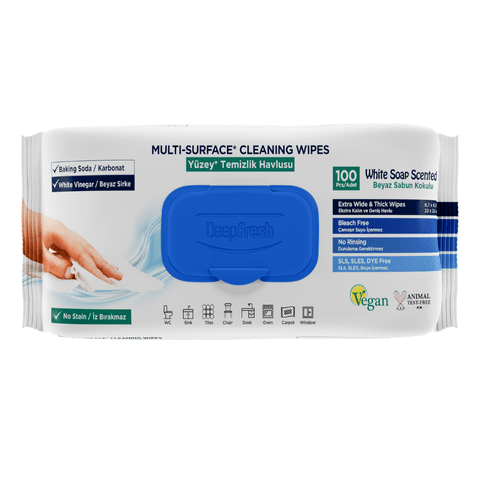
Deep Fresh Multi Surface Cleaning Wet Wipes White Soap 12 Packs x 100 Pcs
£25.00£30.00
£2.08 / pack · incl. VAT
 16% off2 cases = free delivery
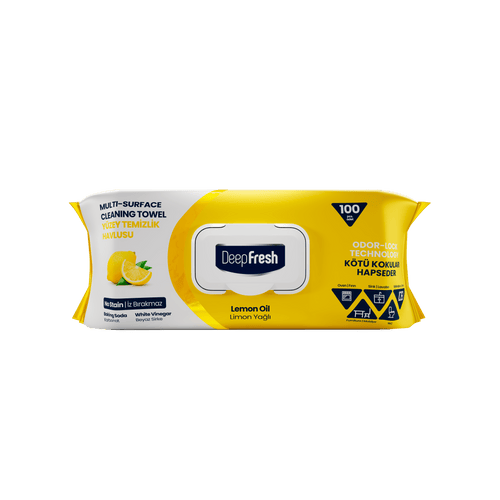
Deep Fresh Multi Surface Cleaning Wet Wipes Lemon 12 Packs x 100 Pcs
£25.00£30.00
£2.08 / pack · incl. VAT
 16% off2 cases = free delivery
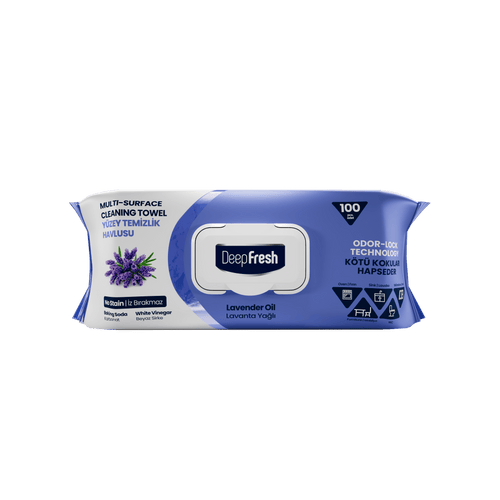
Deep Fresh Multi Surface Cleaning Wet Wipes Lavender 12 Packs x 100 Pcs
£25.00£30.00
£2.08 / pack · incl. VAT
 16% off2 cases = free delivery
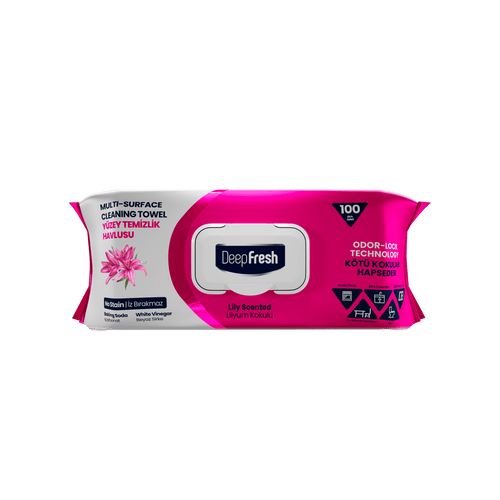
Deep Fresh Multi Surface Cleaning Wet Wipes Lilium 12 Packs x 100 Pcs
£25.00£30.00
£2.08 / pack · incl. VAT
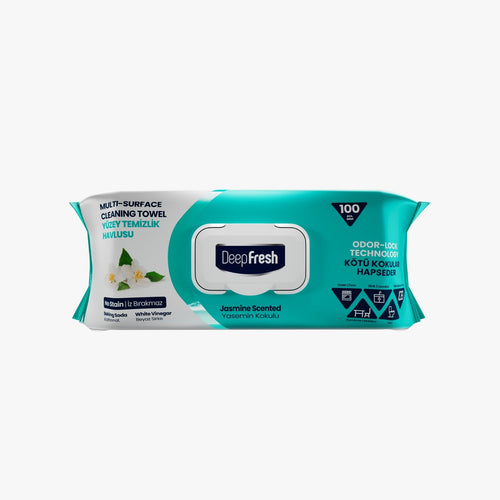 16% off2 cases = free delivery
Deep Fresh Multi Surface Cleaning Wet Wipes Jasmine 12 Packs x 100 Pcs
£25.00£30.00
£2.08 / pack · incl. VAT