Best wipes for newborns: when to move from cotton wool and water to baby wipes, what to check on the pack, and which sensitive baby wipes suit newborn skin.
A newborn gets through eight to twelve nappy changes a day. Each one involves a wipe, sometimes three, on skin that is thinner, more absorbent and more easily irritated than it will ever be again. It is no wonder that "which wipes?" is one of the first questions new parents ask, and one of the ones they get the most conflicting answers to.
This guide is about the first three months. It explains how newborn skin differs from older babies' skin, what midwives generally recommend in the early weeks, what to check on a pack of wipes before you buy a case of them, and what a newborn's wipe habit actually costs.
The short answer
For the first few weeks, most midwives and the NHS suggest cotton wool and warm water for nappy changes. When you move on to wipes, the best wipes for newborns are alcohol-free, fragrance-free or very lightly fragranced, pH-balanced for the nappy area, dermatologically tested and thick enough that you are not using five per change. Keep the ingredient list short and avoid anything with "parfum" high up it. Deep Fresh Extra Soft Baby wipes meet those criteria and cost £14.99 for a case of 24 packs, about 62p a pack or under a penny a wipe.
Why newborn skin is different
At birth, a baby's skin is around a fifth thinner than an adult's and the outer barrier is still developing. It loses water faster, absorbs what is put on it more readily and has a higher surface pH for the first couple of weeks before settling to the slightly acidic level that keeps bacteria in check. The nappy area has it hardest: warmth, moisture, urine and faeces all raise the pH further and soften the skin, which is the set-up for nappy rash.
Two things follow. First, anything you put on a newborn's skin should be as simple as possible, because more of it is absorbed. Second, the aim of a nappy change is to clean and then dry the skin gently, not to scrub it. A wipe that is too wet, too fragrant or too thin works against both.
Cotton wool and water, or wipes?
NHS guidance for newborns is to use cotton wool and plain warm water, or, if you use wipes, to choose ones that are fragrance-free and alcohol-free. In practice most families use cotton wool at home for the first two to four weeks and then move to wipes, partly because cotton wool is impractical away from a sink and partly because a thicker wipe cleans a messy change more effectively with less rubbing.
There is no fixed date for switching. Reasonable signs that your baby is ready: the umbilical stump has healed, the skin has settled from the flaky first fortnight, and there are no active rashes. If your baby was premature or has eczema, ask your health visitor before switching. Whatever you choose, use cooled boiled water rather than tap water for cotton wool in the first weeks, and change the water between the front and the bottom.
What to check on the pack
| Check | What you want to see | Why it matters |
|---|---|---|
| Alcohol | "Alcohol-free" | Alcohol dries and stings newborn skin |
| Fragrance | "Fragrance-free", or "parfum" near the bottom of the list | Fragrance is the most common wipe irritant |
| pH | "pH balanced" or "pH 5.5" | Helps counter the alkaline nappy environment |
| Testing | "Dermatologically tested", ideally "for sensitive skin" | Shows the formula has been assessed on skin |
| Ingredient list | Short; water first | Fewer ingredients, fewer things to react to |
| Thickness | Described as thick, soft or extra soft | One thick wipe does the work of three thin ones |
| Pack | Resealable flap or lid | A dried-out pack is a wasted pack |
| Disposal | Bin, never flush | Flushable wipes still block drains |
Ingredients worth knowing
You do not need a chemistry degree, but a few names are worth recognising on the back of a pack.
- Aqua (water). Should be first. Most good wipes are over 95 per cent water.
- Parfum / fragrance. The most frequent cause of wipe-related irritation. For a newborn, choose fragrance-free or a product where it appears at the very end of the list.
- Alcohol denat. Avoid. Not to be confused with cetearyl alcohol or similar fatty alcohols, which are gentle and fine.
- Phenoxyethanol, sodium benzoate, potassium sorbate. Common preservatives, used in small amounts and generally well tolerated. Every water-based wipe needs a preservative; the alternative is bacterial growth in the pack.
- Methylisothiazolinone (MI). A preservative no longer permitted in leave-on products in the UK and EU because of the sensitisation it caused. You should not see it on a current UK pack; if you do, put it back.
- Glycerin, aloe, chamomile, panthenol. Soothing and hydrating additions. Nice to have, not essential.
Using wipes on a newborn
Wipe front to back, especially for girls. Use a fresh wipe for each pass rather than folding a used one over. Pat rather than rub, then let the skin air-dry for 30 seconds or so before the new nappy goes on; moisture trapped under a nappy is what most often starts a rash. A thin layer of barrier cream at each change is reasonable if your baby is prone to redness, but it is not needed on healthy skin. If a rash does appear, our guide to nappy rash causes and treatment explains what to do and when to see a GP.
Warm the wipe in your hand for a few seconds before it touches skin. A cold wipe at 3 am is a guaranteed way to wake a baby who was nearly asleep again.
How many wipes does a newborn use?
Allow ten changes a day and two to three wipes a change: around 25 wipes a day, or roughly 750 a month. That is ten 72-sheet packs a month, more if you are also wiping hands, faces and the odd posset. A case of 24 packs lasts a newborn about ten weeks, which is why buying by the case makes sense at this stage, and why parents who do are rarely caught out at 2 am with an empty pack.
Deep Fresh baby wipes for newborns
Deep Fresh baby wipes are dermatologically tested for sensitive skin, alcohol-free, pH-balanced for the nappy area and lightly fragranced, with a thick, soft, absorbent sheet and a resealable flap. They are sold in cases of 24 packs of 72 wipes.
- Extra Soft Baby wipes, 24 × 72 – £14.99 a case. Also in Blue and Green packs; the wipes inside are identical. The gentlest sheet in the range and the one we suggest for the first months.
- Lovely Baby wipes, 24 × 72 – £14.99 a case, in Leon, Little Lamb and Giraffe designs. The same formula in a pack toddlers tend to recognise and reach for.
One honest note: Deep Fresh baby wipes are fragrance-light rather than fragrance-free. If your midwife has asked you to use strictly fragrance-free wipes in the first weeks, follow that advice, and move to a lightly fragranced wipe once the skin has settled, as most families do. The full range is on our sensitive baby wipes page, and for a comparison of the major brands see our best baby wipes UK guide.
What a newborn's wipes cost
| Option | Typical price | Per wipe | 750 wipes a month |
|---|---|---|---|
| Deep Fresh Extra Soft Baby, case of 24 × 72 | £14.99 | 0.9p | £6.50 |
| Supermarket own-brand sensitive, pack of 64 | £0.80 | 1.3p | £9.40 |
| Leading brand sensitive, pack of 52 | £1.50 | 2.9p | £21.60 |
| Water-only brand, pack of 60 | £2.80 | 4.7p | £35.00 |
Prices are indicative, correct at the time of writing, and exclude delivery. Over the first year, the difference between the top and bottom rows is several hundred pounds. If you are weighing up the water-only brands, our WaterWipes alternatives article compares them directly.
Frequently asked questions
Can I use baby wipes from day one?
You can, provided they are alcohol-free and fragrance-free. Many parents prefer cotton wool and water for the first few weeks because it is the simplest thing you can put on new skin, then switch to wipes once the skin has settled.
Are water wipes better for newborns?
They are a good option: very short ingredient list, no fragrance. They are also the most expensive wipes on the market and tend to be thinner and wetter than standard wipes. A thick, alcohol-free, pH-balanced wipe with a short ingredient list does the same job for a fraction of the cost.
Why does my newborn get a rash from wipes?
Usually fragrance, occasionally a preservative, and quite often simply moisture left on the skin under the nappy. Switch to a fragrance-free wipe, pat dry and allow air time at each change. If the rash is bright red, spreading or has spots at the edges, see your GP or health visitor; it may be thrush rather than irritation.
Can I flush baby wipes?
No, including ones marked flushable. They do not break down like toilet paper and are a leading cause of blocked drains.
How should I store an opened pack?
Flap down, lid closed, somewhere cool. If a pack starts to dry out, add a tablespoon of cooled boiled water, reseal and turn it upside down overnight.
Shop the products in this guide
 16% off2 cases = free delivery
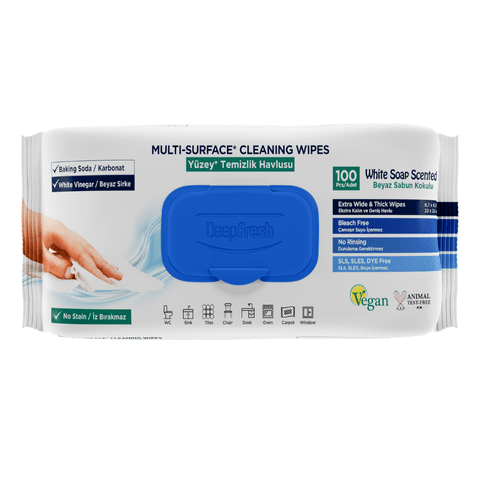
Deep Fresh Multi Surface Cleaning Wet Wipes White Soap 12 Packs x 100 Pcs
£25.00£30.00
£2.08 / pack · incl. VAT
 16% off2 cases = free delivery
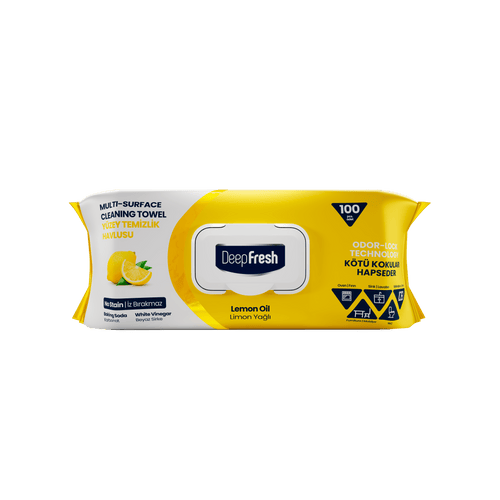
Deep Fresh Multi Surface Cleaning Wet Wipes Lemon 12 Packs x 100 Pcs
£25.00£30.00
£2.08 / pack · incl. VAT
 16% off2 cases = free delivery
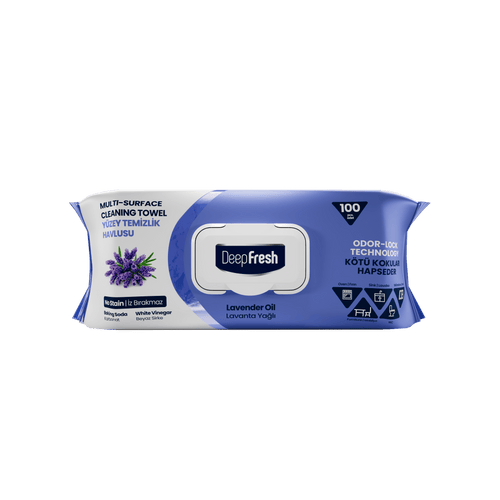
Deep Fresh Multi Surface Cleaning Wet Wipes Lavender 12 Packs x 100 Pcs
£25.00£30.00
£2.08 / pack · incl. VAT
 16% off2 cases = free delivery
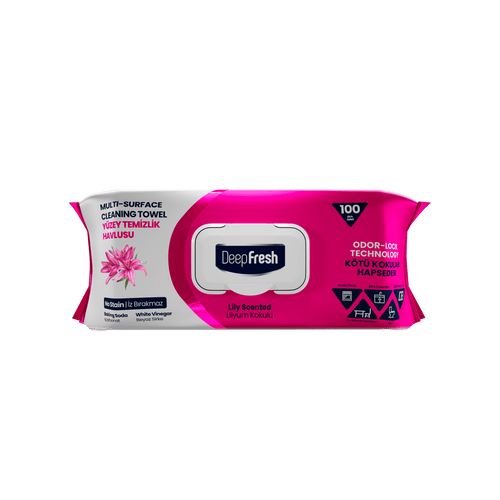
Deep Fresh Multi Surface Cleaning Wet Wipes Lilium 12 Packs x 100 Pcs
£25.00£30.00
£2.08 / pack · incl. VAT
 16% off2 cases = free delivery
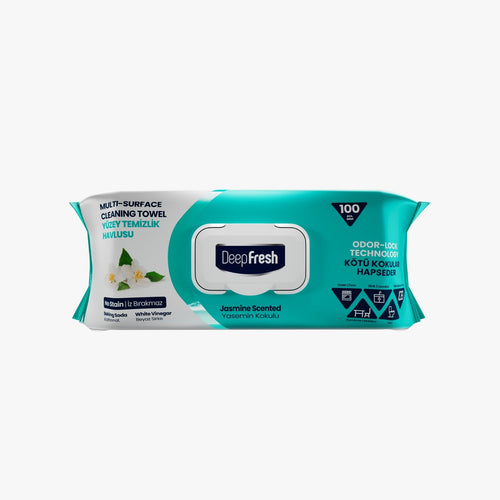
Deep Fresh Multi Surface Cleaning Wet Wipes Jasmine 12 Packs x 100 Pcs
£25.00£30.00
£2.08 / pack · incl. VAT